Mastering Game Day Retro Football Sublimation: Technical Specs and Creative Applications
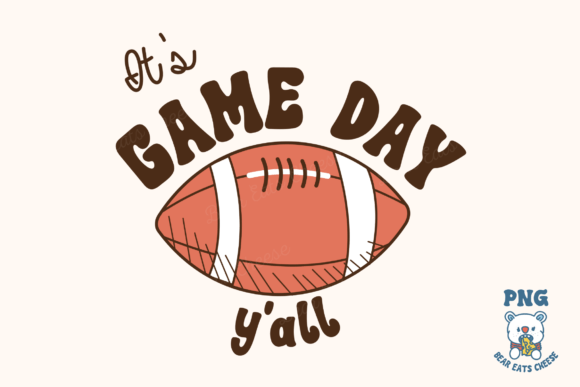
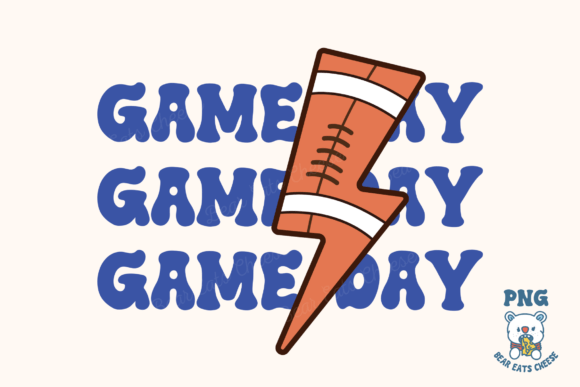
The intersection of vintage sports aesthetics and modern printing technology has created a significant niche in the custom apparel market. Game Day Retro Football Sublimation represents more than just a nostalgic design trend; it is a specific digital asset category that demands technical precision and creative versatility. For creators, small business owners, and hobbyists, understanding the nuances of these high-resolution digital files is essential for producing professional-grade merchandise. The appeal lies in the ability to merge classic athletic motifs with contemporary dye-sublimation processes, resulting in vibrant, durable products that resonate with fans and fashion enthusiasts alike.
Technical Anatomy of High-Resolution Digital Assets
When acquiring a Game Day Retro Football Sublimation file, the technical specifications dictate the potential quality of the final output. The industry standard for this type of digital asset is a single PNG file featuring a transparent background. This transparency is non-negotiable for sublimation workflows, as it allows the design to blend seamlessly onto colored substrates without unsightly white boxes or jagged edges. The specific resolution requirement for professional printing is 300 DPI (dots per inch). While screen displays often utilize 72 or 96 DPI, sublimation transfers require high density to prevent pixelation when heat is applied to fabric or hard surfaces.
The dimensions of 12×12 inches, translating to 3600×3600 pixels, serve as a versatile master canvas. This square format is strategically chosen to accommodate a wide range of blanks. A 3600-pixel width provides sufficient data to print crisp details on large garments like adult sweatshirts while remaining manageable for smaller items like coasters or phone cases. Users must understand that upscaling a low-resolution image rarely yields acceptable results in sublimation. Therefore, starting with a native 300 DPI file ensures that the intricate textures often found in retro football designs—such as distressed leather helmets, vintage yard lines, and halftone patterns—remain sharp after the thermal transfer process.
Color Management and Device Variability
A critical consideration for anyone working with Game Day Retro Football Sublimation files is color fidelity. Digital files are typically created in RGB color space for screen viewing, while sublimation printers operate in CMYK. This fundamental difference means that the colors seen on a monitor will not perfectly match the printed output. Furthermore, every monitor, device, and printer possesses unique color profiles and calibration settings. A vibrant crimson displayed on a designer’s calibrated screen may appear darker or more muted on an uncalibrated laptop or when printed with third-party inks.
Professionals mitigate this variance through test prints and ICC profiling. It is advisable to print a small swatch of the retro football design before committing to a full production run. This step allows creators to adjust saturation and brightness levels specific to their hardware setup. Understanding that color variation is an inherent part of the digital-to-physical workflow prevents disappointment and ensures consistency across product lines. The retro aesthetic often utilizes muted, sepia, or faded tones, which can sometimes be more forgiving than neon colors, but accurate reproduction still requires diligent color management.
Diverse Applications Across Product Categories
The versatility of a 12×12 inch transparent PNG extends far beyond standard t-shirts. The square aspect ratio aligns perfectly with many popular sublimation blanks, making Game Day Retro Football Sublimation an efficient asset for inventory diversification. Apparel remains the primary use case, with sweatshirts and tees serving as the canvas for team spirit and vintage style. However, the application spectrum broadens significantly when considering accessories and home goods.
- Apparel and Wearables: Beyond standard shirts, these designs work exceptionally well on tote bags and hoodies. The retro football theme pairs naturally with heavyweight cotton-feel polyesters and canvas materials, enhancing the vintage tactile experience.
- Drinkware and Dining: Ceramic mugs and tumblers are staple sublimation products. A centered 12×12 design can be scaled down for standard 11oz mugs or wrapped around larger travel tumblers. Greeting cards also benefit from this format, allowing for fold-over designs where the football graphic serves as the focal point on the front cover.
- Tech Accessories and Stationery: Phone cases require precise alignment, and the high pixel count of 3600×3600 ensures that logos and text remain legible even on curved surfaces. Stickers and decals, printed on sublimation vinyl or specialized sticker paper, offer a low-cost entry point for customers wanting to customize laptops, water bottles, or notebooks.
Each application requires slight adjustments in sizing and placement, but the master file remains constant. This efficiency allows businesses to create cohesive collections where the same retro football motif appears across multiple product types, strengthening brand identity and thematic consistency.
Workflow Considerations for Digital Products
It is imperative to distinguish between digital assets and physical goods. Game Day Retro Football Sublimation files are instant downloads, meaning there is no shipping, no physical inventory, and no cutting file included. The absence of cutting files (such as SVG or DXF) indicates that this asset is intended strictly for printing and heat transfer, not for vinyl cutting or laser engraving. Users attempting to use this PNG with a plotter cutter will face difficulties due to the lack of vector paths.
The instant delivery model offers significant advantages for time-sensitive projects. Creators can respond immediately to trending topics or last-minute event requests. However, this also places the responsibility of file management entirely on the user. Proper organization of digital assets, including backing up original files and maintaining a library of tested color profiles, streamlines the production process. Since the product is digital, customer support inquiries often revolve around software compatibility rather than product defects. Ensuring one has compatible RIP software or design programs capable of handling high-resolution transparent PNGs is a prerequisite for success.
Market Relevance and Design Trends
The enduring popularity of retro sports imagery stems from its emotional connection and timeless aesthetic. Unlike modern, hyper-realistic sports graphics, retro football designs evoke a sense of heritage and tradition. This makes them particularly valuable for educational institutions, alumni associations, and family reunions where nostalgia plays a central role. For researchers and educators studying material culture or sports history, these sublimation designs serve as tangible examples of how historical iconography is repurposed in contemporary commerce.
From a business perspective, the retro niche offers higher perceived value than generic sports clip art. Customers associate vintage aesthetics with craftsmanship and authenticity. When utilizing Game Day Retro Football Sublimation, creators should consider the narrative behind the design. Pairing the visual asset with appropriate typography and garment choices enhances the overall storytelling. For example, placing a 1950s-style football illustration on a heather grey sweatshirt creates a more authentic vintage feel than printing it on a bright white polyester tee. Contextualizing the digital file within current fashion trends maximizes its commercial viability.
Best Practices for File Utilization and Storage
Managing high-resolution digital assets requires disciplined organizational habits. Because Game Day Retro Football Sublimation files are 300 DPI at 12×12 inches, file sizes can be substantial. Cloud storage solutions with version control are recommended to prevent accidental overwrites or corruption. When preparing files for print, always work on a copy of the original master file. This preserves the pristine 3600×3600 source for future projects while allowing freedom to resize, recolor, or manipulate the design for specific orders.
Additionally, users should verify the integrity of the download immediately upon receipt. Checking the image properties to confirm dimensions and resolution prevents production errors later. If the file appears blurry at 100% zoom, it may have been incorrectly upscaled by the vendor. Authentic high-quality sublimation files should retain crisp edges and smooth gradients when viewed at actual size. Maintaining a checklist for file verification ensures that only premium assets enter the production pipeline, safeguarding the reputation of the creator and the satisfaction of the end consumer.
Understanding the complete lifecycle of a Game Day Retro Football Sublimation file—from technical acquisition and color management to diverse application and market positioning—empowers users to leverage this digital asset effectively. Whether creating personalized gifts, launching a seasonal product line, or exploring the intersection of sports history and modern manufacturing, the key lies in respecting both the artistic intent and the technical requirements of the sublimation process. Mastery of these elements transforms a simple digital download into a powerful tool for creative expression and commercial success.