Game Day Sublimation: A Practical Guide for Creative Professionals and Entrepreneurs
For creators, marketers, and small business owners working in digital design and print-on-demand production, Game Day Sublimation offers a versatile and high-quality asset for bringing visual ideas to life. Whether you're designing custom apparel, promotional products, or digital artwork, understanding how to effectively integrate this type of sublimation-ready file into your workflow can streamline production and improve the consistency of your output.
Understanding Game Day Sublimation
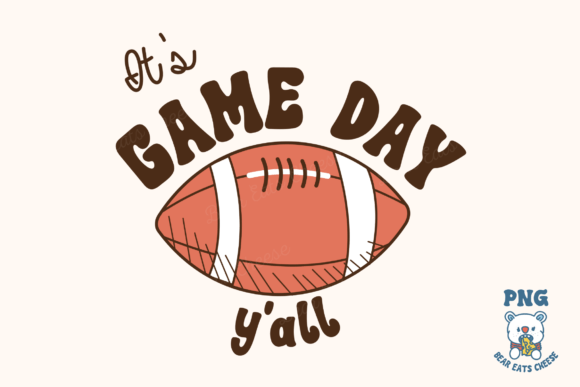
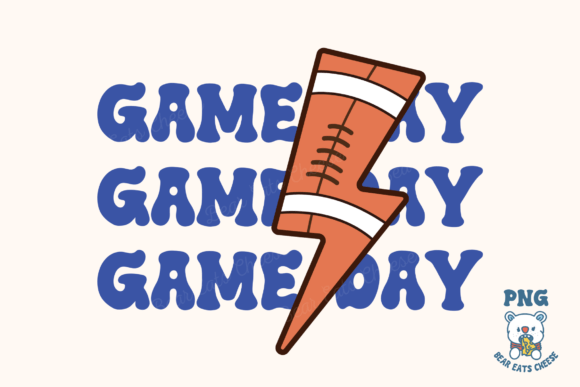
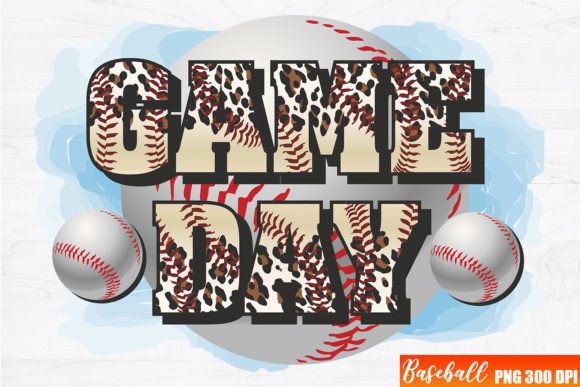
At its core, Game Day Sublimation refers to a high-resolution PNG file designed specifically for use in sublimation printing and other digital transfer methods. The file you receive is a single 300 DPI, 3000×3000 pixel transparent-background image, delivered in a zipped folder. It's compatible with a wide range of applications including t-shirt printing, mug stickers, pillow designs, and more.
This type of file is not just a design asset—it's a foundational element that can be integrated into both digital and physical product workflows. Unlike vector files or layered PSDs, this PNG file is ready for immediate use without requiring additional editing, making it ideal for fast-paced production environments.
When to Use Game Day Sublimation in Your Workflow
The flexibility of this file format allows it to be used at multiple stages of a project:
- Before finalizing a design layout, as a placeholder or base image
- Durings production, for direct application to sublimation blanks
- After a project launch, for creating promotional assets or branded merchandise
For example, a small business owner launching a new line of sports-themed apparel might use Game Day Sublimation during the prototyping phase to test how the design translates to different fabrics. Later, the same file can be used in bulk production runs with minimal adjustments needed.
Integration with Other Tools and Platforms
To get the most out of Game Day Sublimation, it's important to consider how it fits within your existing toolkit. The transparent background allows for easy layering in design software like Adobe Photoshop, Canva, or GIMP. This makes it ideal for combining with text, patterns, or additional graphics to create a finished product design.
When used in sublimation printing, the file can be imported directly into print software such as Sawgrass Virtuoso or PhotoGlimmer. Because it's a high-resolution PNG, there's no need for intermediate conversion steps, reducing the chance of image degradation or alignment issues during printing.
Additionally, if you're using e-commerce platforms like Shopify or Etsy to sell custom products, this file can be integrated into your product mockup generation workflow. Paired with tools like Placeit or Smartmockups, you can quickly generate realistic previews that help customers visualize the final product before purchase.
Practical Implementation Tips
Here are several strategies for incorporating Game Day Sublimation into your creative or business process:
- Batch Processing: If you're creating multiple variations of a design (e.g., different colors or layouts), use batch editing tools to apply the PNG file consistently across all versions.
- Mockup Creation: Use the transparent background to overlay the design onto mockup templates for product photography, presentations, or marketing materials.
- Sublimation Blanks: Match the file dimensions and resolution to the size of your sublimation blanks to ensure proper scaling and edge-to-edge printing.
- Layered Compositions: Combine this file with other PNGs or vector graphics to build complex designs without losing image quality.
By planning ahead and organizing your digital assets, you can reduce repetitive tasks and improve overall efficiency in your design and production workflows.
Quality Control and Long-Term Use
One of the key benefits of using a 300 DPI, 3000×3000 pixel PNG file like Game Day Sublimation is its ability to maintain clarity at scale. However, to preserve quality over time, it's important to follow best practices:
- Store the original file in a dedicated asset folder with clear naming conventions.
- Avoid repeatedly saving the file in lossy formats like JPEG, which can degrade image quality.
- Test print on a sample material before committing to a large run.
- Keep backups in cloud storage or version-controlled design platforms.
These steps help ensure that your design remains consistent across multiple uses and platforms, which is especially important for branding and customer-facing products.
Use Cases Across Industries
Game Day Sublimation is not limited to a single niche. Here are a few real-world applications across different professional contexts:
- Marketing: Create branded merchandise for events or campaigns using the design on tote bags, mugs, or wearable apparel.
- Educators: Use the file in classroom materials, certificates, or motivational posters with a sports or team-building theme.
- Freelancers: Offer custom design services by incorporating the PNG into client-specific layouts for a polished, professional result.
- Hobbyists: Personalize home décor items like pillows, coasters, or wall art with a cohesive, high-quality image.
Each of these scenarios demonstrates how adaptable and valuable this type of digital asset can be, especially when time and quality are key factors.
Final Thoughts on Workflow Integration
Incorporating Game Day Sublimation into your creative or business process doesn't require a major overhaul. Instead, think of it as a plug-and-play element that enhances your existing capabilities. Whether you're a small business owner managing print-on-demand orders or a designer building a digital product catalog, this file format provides a reliable, scalable solution.
By understanding how to prepare, implement, and maintain this type of asset, you can reduce friction in your workflow and focus more on delivering high-quality results—whether that's through printed goods, digital content, or customized merchandise. The key is to treat it not just as a one-time design element, but as part of a broader system of tools and processes that support your creative and business goals.