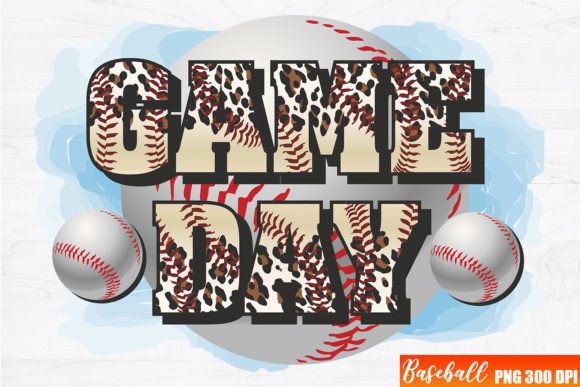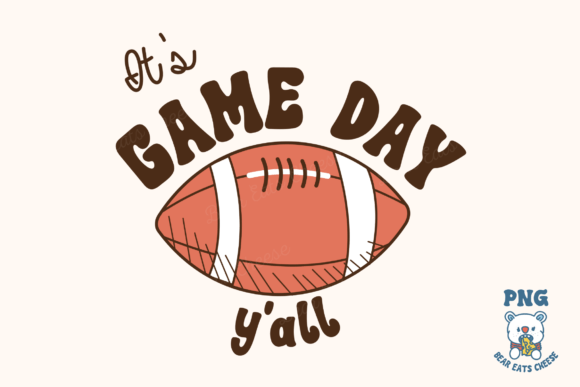
It's Game Day Y'all Retro Sublimation Design Guide
Capturing the electric atmosphere of football season requires more than just team colors; it demands a design that evokes nostalgia and spirited enthusiasm. The It s Game Day Y all Retro Sublimation graphic serves as a versatile foundation for creators looking to merge vintage aesthetics with modern tailgate culture. This digital asset is not merely a clipart file but a strategic tool for small business owners, hobbyists, and designers aiming to produce merchandise that resonates with fans who appreciate classic sports style. By leveraging high-resolution retro typography and distressed textures, you can create products that feel authentic rather than mass-produced.
Understanding the Technical Specifications
Before initiating any creative project, understanding the technical parameters of your assets is crucial for professional results. This specific Retro Football design is delivered as a single PNG file with a transparent background, sized at 12×12 inches with a resolution of 3600×3600 pixels at 300 DPI. These specifications are significant for several practical reasons. The 300 DPI standard ensures that ink saturation remains consistent and edges stay crisp during the heat transfer process, preventing the pixelation that often plagues lower-quality sublimation prints.
The 12×12 inch canvas offers substantial flexibility. While many sublimation blanks are smaller, having a larger source file allows you to scale down without losing fidelity or crop tightly for specific placements like pocket logos or sleeve patches. The transparent background eliminates the need for complex masking in editing software, streamlining the workflow from download to print. However, users must note that this is strictly a raster image intended for sublimation; no vector cutting files are included. This distinction is vital for crafters using vinyl cutters, as this file is optimized exclusively for dye-sublimation processes on polyester substrates or poly-coated hard goods.
Elevating Apparel with Vintage Aesthetics
T-shirts and sweatshirts remain the primary canvas for game day gear, but the application method defines the perceived value. When using the It s Game Day Y all Retro Sublimation design on apparel, consider the interaction between the ink and the fabric texture. Retro designs thrive on heathered fabrics or textured polyester that mimics cotton. The slight imperfections in the fabric grain complement the distressed elements of the digital file, creating a cohesive vintage look that feels worn-in and comfortable.
For entrepreneurs managing a print-on-demand business or a local boutique, placement strategy matters as much as the graphic itself. Instead of defaulting to a centered chest print, explore alternative layouts that differentiate your offerings:
- Pocket-Sized Accents: Scale the design down to 3-4 inches for a subtle left-chest placement, appealing to customers who prefer understated fandom over loud graphics.
- Sleeve Typography: Utilize the vertical space of long-sleeve tees by rotating elements of the design or pairing the main graphic with complementary retro stripes down the arms.
- Back Prints with Front Logos: Use the full 12×12 design for a bold back print while placing a simplified monogram or mascot icon on the front collar area for balanced visual weight.
When designing sweatshirts, remember that fleece textures can absorb ink differently than smooth performance wear. Adjusting color saturation slightly higher in your RIP software or design editor can compensate for this absorption, ensuring the retro colors remain vibrant after pressing.
Expanding Beyond Wearables: Hard Goods and Accessories
The utility of this retro football asset extends well beyond clothing. For makers diversifying their product lines, hard goods offer higher margins and unique gifting opportunities. Phone cases, mugs, and tumblers serve as functional billboards for team spirit. When adapting the It s Game Day Y all Retro Sublimation file for cylindrical objects like tumblers, distortion management is key. You may need to slightly stretch or warp the central text element to account for the curvature of the vessel, ensuring the design appears straight when viewed from eye level.
Greeting cards and stickers represent an accessible entry point for customers not ready to commit to apparel. Since this is a high-resolution PNG, it translates beautifully to paper products. For stickers, the lack of a cut file means you will need to create a contour line manually in your design software. Embrace the retro theme by printing stickers on matte vinyl rather than glossy; the muted finish aligns better with the vintage aesthetic. For greeting cards, pair the digital sublimation design with physical embellishments like twine or kraft paper envelopes to enhance the tactile experience, bridging the gap between digital design and handmade charm.
Color Management and Device Consistency
A critical aspect of working with digital sublimation files is managing expectations regarding color reproduction. The product notes explicitly state that monitors, devices, and printers vary. This is not a disclaimer to be ignored but a variable to be managed. Retro color palettes often include mustard yellows, faded reds, and teal greens that are particularly sensitive to color profile mismatches. What looks warm and golden on an RGB screen may print as a dull olive if your printer is not calibrated correctly.
To maintain consistency across different products, establish a standardized testing protocol. Print a color swatch chart using your specific sublimation ink and paper combination before running a full production batch. Create a physical reference guide that maps your digital CMYK values to actual printed outputs. This practice reduces waste and ensures that the It s Game Day Y all Retro Sublimation design maintains its intended character across every item you produce. Remember that sublimation ink appears dull on paper and only reveals its true vibrancy after heat activation; always judge color accuracy post-press, never pre-press.
Strategic Merchandising for Diverse Audiences
Different segments of the football-loving public respond to different cues. Educators and school staff might seek designs that are spirited yet appropriate for a professional environment. In this context, utilizing the retro design on tote bags or lanyards offers a way to participate in game day culture without compromising workplace decorum. The vintage style reads as "classic" rather than "rowdy," making it suitable for broader demographics including parents and alumni.
For marketers and bloggers, this asset provides content creation opportunities beyond direct sales. Showcase the design in lifestyle photography featuring authentic game day settings—tailgates, stadium seats, or living room watch parties. Contextualizing the product helps potential customers visualize its use. If you are selling the finished goods, emphasize the instant-download nature of the digital file for DIY customers, while highlighting the craftsmanship of physical items for those who prefer ready-made products. Transparency about what is included (digital PNG only) versus what is not (physical item or cut file) builds trust and reduces customer service inquiries.
Maintaining Originality Within a Trend
Retro sports designs are a saturated market, so differentiation is essential. While the base Retro Football graphic provides a strong starting point, your unique value lies in customization. Consider layering the PNG with personalized elements such as local town names, specific graduation years, or family surnames. This transforms a generic stock asset into a bespoke keepsake. For small business owners, offering personalization services justifies higher price points and fosters customer loyalty.
Additionally, respect the integrity of the original design while adapting it. Avoid over-filtering or adding excessive grunge effects that obscure the legibility of the "Game Day Y'all" text. Clarity is paramount in merchandise design; if the message cannot be read from a distance, the aesthetic appeal becomes secondary. Balance artistic flair with functional communication. Test your final compositions at actual print size on screen before committing to production to ensure all details remain distinct and impactful.
Best Practices for Digital Asset Organization
Efficiency in creative work stems from organization. Upon downloading the 3600×3600 px PNG, immediately rename the file with descriptive metadata including dimensions, DPI, and intended use cases. Store it in a dedicated sublimation folder structure categorized by theme or season. Keeping your digital workspace organized prevents frustration during peak production periods like the weeks leading up to homecoming or playoffs.
Since this is a digital-only product with no physical shipping, your delivery system should be seamless. Whether you are using this for personal projects or reselling finished goods, maintaining a clear record of licensing and usage rights is part of professional creative practice. Always verify that your commercial license covers the specific applications you intend to pursue. By treating digital assets with the same rigor as physical inventory, you build a sustainable, scalable creative operation that honors both the art and the commerce of game day culture.