Summer Scavenger Hunt Kids Game: Strategic Value for Engagement, Creativity, and Connection
Understanding the Core Concept
The Summer Scavenger Hunt Kids Game is more than a seasonal pastime—it’s a versatile tool that blends creativity, movement, and problem-solving. At its core, this game invites participants to follow a list of clues or tasks, often leading to small prizes, discoveries, or collaborative wins. While it’s designed with children in mind, its structure and adaptability make it relevant for a broad audience, including families, educators, and event planners.
What sets this game apart is its ability to be both spontaneous and strategically planned. Whether used as a backyard activity or part of a larger event like a Thanksgiving gathering, the scavenger hunt format encourages active participation, observation, and shared experiences.
Why It Works: Strategic Uses Beyond Play
When used intentionally, the Summer Scavenger Hunt Kids Game can support multiple strategic goals:
- Enhancing family bonding through shared problem-solving and outdoor exploration
- Encouraging creative thinking by designing clues that require lateral thinking or hands-on tasks
- Supporting event planning by offering a low-cost, high-engagement activity that scales well
- Strengthening communication among participants who must collaborate to solve clues
Its flexibility allows for indoor or outdoor use, making it ideal for unpredictable weather or space constraints. The game also lends itself well to customization—whether themed for a holiday, educational in nature, or tied to a brand experience.
Practical Implementation: How to Approach It
Successful use of the Summer Scavenger Hunt Kids Game requires thoughtful planning. Here are key steps to consider:
- Define the purpose: Is this for entertainment, learning, team-building, or brand engagement?
- Set the scope: Will it be a 30-minute diversion or part of a longer event?
- Design the clues: Ensure they match the age and skill level of participants while keeping the game moving
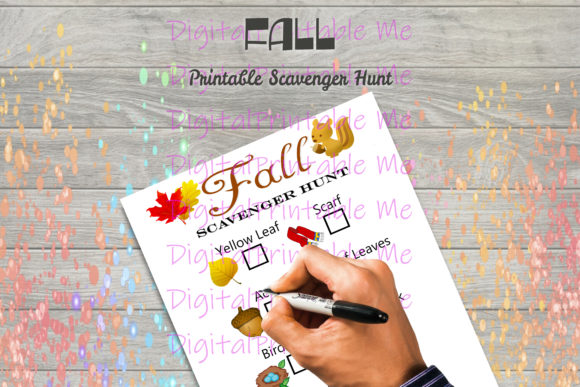
- Choose the format: The printable version offers convenience, especially for last-minute events
- Plan for documentation: Use the scavenged items or photos to create a scrapbook or keepsake
For educators or event planners, integrating the game into a larger framework—like a learning module or branded experience—can amplify its impact. For example, a museum might use a scavenger hunt to guide children through exhibits while reinforcing key themes.
Long-Term Value and Creative Extensions
While the Summer Scavenger Hunt Kids Game is often used as a single-event activity, its long-term value emerges when it’s repurposed or expanded:
- Memory-making: Participants can compile collected items or photos into a scrapbook or shadow box
- Repeatable format: The same structure can be reused for birthdays, holidays, or themed events
- Customizable content: The printable nature allows for easy updates and rebranding
- Community building: When used in group settings, it fosters shared experiences and collaboration
Entrepreneurs and content creators can also use the scavenger hunt format to engage audiences. For instance, a blog or social media challenge based on the game can drive interaction, increase shares, and build brand loyalty.
Strategic Considerations Before Implementation
Before incorporating the Summer Scavenger Hunt Kids Game into your plans, evaluate the following:
- Alignment with goals: Does the activity support your broader objectives?
- Participant needs: Is the difficulty level appropriate?
- Logistical feasibility: Do you have the space, time, and materials needed?
- Scalability: Can the game be adjusted for different group sizes or settings?
- Value beyond entertainment: Does it offer educational, emotional, or creative value?
Using the game without clear intent can lead to disengagement or wasted effort. For example, a poorly designed hunt might confuse players or fail to maintain momentum. To avoid this, test the flow of clues and ensure each step builds on the previous one.
Common Pitfalls and How to Avoid Them
Even a well-intentioned scavenger hunt can fall short if not carefully planned. Common missteps include:
- Unclear clues: Make sure directions are age-appropriate and logically solvable
- Overly long gameplay: Keep the game engaging without dragging on
- Lack of variety: Mix physical tasks, riddles, and observational challenges
- Unrealistic expectations: Don’t expect the game alone to carry an entire event
Another risk is assuming the game will work for all audiences. While it’s excellent for children and mixed-age groups, adults-only events may require a more sophisticated or humorous twist to keep the energy high.
Real-World Applications and Strategic Insights
Here are a few practical examples of how the Summer Scavenger Hunt Kids Game can be strategically applied:
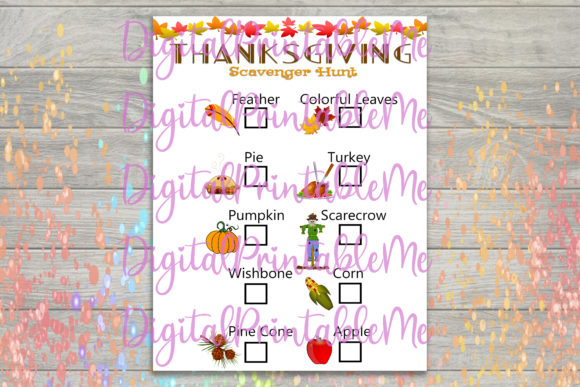
- Thanksgiving gatherings: Use the printable version to engage kids while adults prepare or socialize
- Classroom learning: Create a science-themed hunt that reinforces concepts through exploration
- Marketing campaigns: Launch a branded scavenger hunt challenge across social media platforms
- Team-building exercises: Adapt the game for corporate groups to foster collaboration and creativity
- Family traditions: Turn the game into an annual event that evolves with your children’s interests
Each use case benefits from thoughtful design and clear goals. For example, when used in a marketing context, the game should align with brand messaging and encourage user-generated content or social sharing.
Final Thoughts: Intentional Use Drives Better Outcomes
The Summer Scavenger Hunt Kids Game is more than a seasonal novelty—it’s a flexible, scalable, and engaging tool that can support a variety of personal, educational, and professional goals. When approached with intention, it becomes a strategic asset for fostering creativity, connection, and memorable experiences.
Whether you’re planning a family gathering, classroom activity, or brand engagement campaign, this game offers a practical way to bring people together while encouraging active participation. By aligning its use with your objectives, designing for clarity and flow, and considering long-term value, you can transform a simple game into a meaningful and impactful experience.