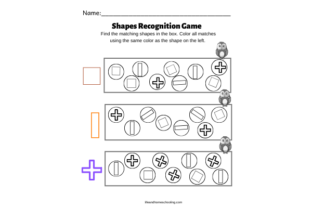
Shapes Recognition Game: A Designer’s Tool for Visual Clarity
Designers today are constantly seeking tools that enhance visual communication while reinforcing brand identity. One such concept is the Shapes Recognition Game, an interactive design exercise that sharpens a creator’s ability to identify, match, and apply geometric forms with precision. By engaging with this practice, designers can strengthen their visual vocabulary, improve layout consistency, and elevate the user experience across multiple platforms.
Why Shape Recognition Matters in Graphic Design
Shapes form the foundation of visual design. From logos to web interfaces, geometric elements guide the viewer’s eye and communicate meaning at a glance. The Shapes Recognition Game—where users match shapes and color corresponding forms—mirrors the designer’s task of aligning visual components cohesively within a layout. This practice sharpens attention to detail, which is crucial when crafting brand identities or designing user interfaces.
When applied to real-world projects, this skill translates into better visual hierarchy, more intuitive navigation, and stronger brand recognition. Whether designing a logo, structuring a website, or creating packaging, understanding how shapes interact ensures a more polished and professional outcome.
Applications Across Design Disciplines
- Branding and Logo Design: Consistent use of shapes reinforces brand identity. A brand that incorporates rounded rectangles in its logo should maintain that shape language across business cards, social media templates, and advertising materials.
- Marketing Materials: In print and digital marketing, matching visual elements—like icons or callout boxes—creates a unified look that enhances readability and recall.
- Social Media Graphics: Applying uniform shapes across posts improves visual consistency, making brand content instantly recognizable in a crowded feed.
- UI/UX Design: Buttons, menus, and interactive elements benefit from consistent shape styling, improving usability and aesthetic harmony.
Enhancing Design Workflow with Shape Consistency
Integrating shape recognition into your design workflow doesn’t just improve aesthetics—it streamlines decision-making. When working on a multi-page editorial layout or a complex website, maintaining shape consistency ensures visual continuity. Designers can use shape-matching techniques to align icons, buttons, and visual motifs across various assets, reducing revision time and enhancing professionalism.
Consider a packaging design project: if the product label features a triangular accent, that same triangle should appear in promotional banners, social media stories, and email headers. The Shapes Recognition Game trains the eye to spot these connections quickly and accurately.
Choosing the Right Shapes for the Message
Shapes carry psychological and cultural meanings. Circles suggest unity and softness, squares imply stability and professionalism, while triangles convey energy and direction. When selecting shapes for a design project, always consider:
- The brand’s personality and values
- The intended emotional response from the audience
- The visual balance within the overall composition
- Compatibility with existing brand assets like typography and color palette
Final Thoughts: Elevating Design Through Visual Precision
In the world of graphic design, small details make a big difference. The Shapes Recognition Game is more than a creative exercise—it’s a mindset that encourages visual precision, consistency, and thoughtful design decisions. Whether you're crafting a logo, designing a mobile app, or producing marketing collateral, understanding how shapes function within a layout enhances both aesthetics and communication. By applying these principles, designers can deliver work that not only looks professional but also resonates deeply with audiences and strengthens brand presence across every visual touchpoint.