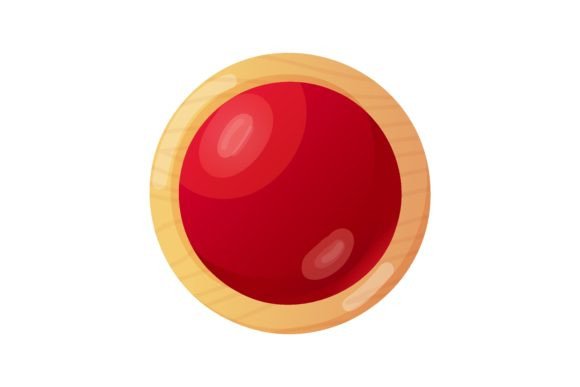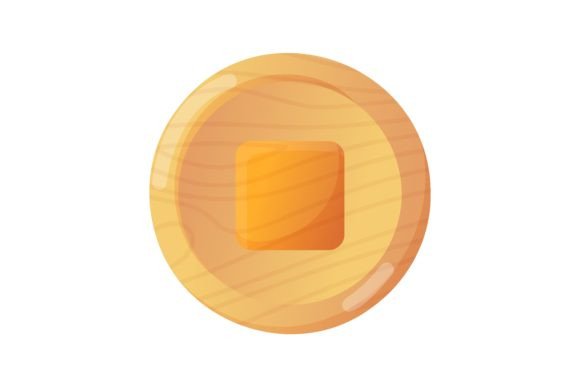
Wooden Stop Button for Game Interface Design
A wooden stop button in a game interface brings a tactile, organic feel to digital experiences. It's more than just a visual element—it's a bridge between physical craftsmanship and modern UI design. Whether used in mobile games, web apps, or interactive storytelling platforms, this design choice adds warmth, character, and a sense of approachability. The wooden stop button can be stylized in countless ways, from rustic and hand-carved to smooth and minimalist, making it a versatile asset for creative UI design.
Why the Wooden Stop Button Works in UI Design
In a world saturated with sleek metallic and glass-like interfaces, a wooden stop button stands out by introducing a sense of authenticity. It evokes nostalgia, craftsmanship, and simplicity. This kind of design element is especially effective in games or apps that aim for a cozy, handcrafted, or nature-inspired aesthetic. It’s not just about looks—it’s about creating a user experience that feels grounded and intentional.
From a usability standpoint, the stop button needs to be clearly identifiable. Using a wooden texture adds contrast and depth, helping the element stand out without being visually aggressive. It also invites interaction in a more gentle, human way compared to flat or overly digital buttons.
Creative Variations and Design Approaches
Designers can explore a wide range of wooden textures and styles when incorporating a stop button into a game interface. Here are a few creative directions:
- Rustic wood grain: Ideal for adventure or survival games, this style gives off a rugged, outdoorsy vibe.
- Light birch or maple: A clean, minimalistic wood tone works well in educational or productivity apps with a playful edge.
- Hand-painted wood: Adds whimsy and personality, perfect for children's games or creative tools.
- Vintage wood paneling: Evokes a retro aesthetic, suitable for puzzle games or nostalgic experiences.
Each variation tells a different story and supports the overall tone of the game or app. The key is to match the wooden texture and style with the broader design language and target audience.
Applications Across Platforms and Genres
The wooden stop button isn't limited to one type of game or app. Its adaptability makes it a strong candidate for various contexts:
- Mobile games: Especially effective in casual or puzzle games where a warm interface improves user comfort.
- Web-based interactive stories: A wooden stop button fits well in narrative-driven experiences that aim for a tactile, book-like feel.
- Desktop productivity tools: Apps that encourage mindfulness or creativity can benefit from a grounded, nature-inspired UI.
- AR/VR experiences: In immersive environments, wooden elements can help ground the interface in a believable, tactile world.
Designers should consider how the button interacts with other UI components. For example, pairing a wooden stop button with parchment-style panels or fabric textures can enhance the cohesive feel of the interface.
Practical Tips for Implementation
While the wooden stop button is visually appealing, it's important to maintain usability and consistency. Here are some practical tips for integrating it effectively:
- Ensure contrast: Use lighting effects or background shading to make the button pop without overwhelming the interface.
- Maintain intuitive placement: Position the stop button where users expect it—usually top-right or bottom-center—depending on the platform.
- Use hover and press states: Animate the button to show interaction, whether through subtle depressions, shadows, or glow effects.
- Match the color palette: Choose wood tones that complement the overall color scheme of the game or app.
- Balance with other elements: Don’t overdo it—keep the interface clean by using wooden textures selectively.
These considerations help maintain a balance between aesthetics and functionality, ensuring the stop button is both beautiful and easy to use.
How to Customize for Different Audiences
Designers can tailor the wooden stop button to suit different user groups and design goals:
- Families and children: Use playful wood textures with rounded edges and soft colors to create a friendly, inviting interface.
- Professionals and educators: Opt for clean, subtle wood tones that suggest craftsmanship and reliability without distraction.
- Artists and creators: Go bold with hand-carved or painted wood styles that reflect a creative, expressive tone.
- Gamers: Match the wood style to the game's theme—dark oak for fantasy, light pine for adventure, or weathered wood for survival games.
By adapting the wooden stop button to the target audience, designers can enhance both engagement and usability. It becomes more than a button—it becomes part of the experience.
Inspiration for Creative Projects
If you're looking for ideas to incorporate the wooden stop button into your next project, consider these concepts:
- Interactive storybooks: Use a wooden stop button to pause narration, giving the interface a bookshelf-like feel.
- Eco-friendly apps: Reinforce the theme of sustainability by using natural textures and materials in the UI.
- Board game simulations: Enhance realism by designing interface elements to resemble the wooden pieces of a physical game.
- Design systems: Build a UI kit that includes various wooden elements, including buttons, sliders, and toggle switches.
These ideas can help spark your own creative direction, whether you're designing for entertainment, education, or utility.
Final Thoughts
The wooden stop button for users' game interface isn't just a trend—it's a thoughtful design choice that blends usability with emotional appeal. By grounding digital interfaces in familiar, tactile materials, designers can create more engaging, memorable experiences. Whether you're building a mobile game, a web app, or a creative tool, this element offers a unique way to connect with users on a more human level. Explore different textures, styles, and applications to find what works best for your project—and don’t be afraid to get creative with how you integrate it into your UI design.