Love Is a Game: Understanding the Metaphor and Its Real-World Implications
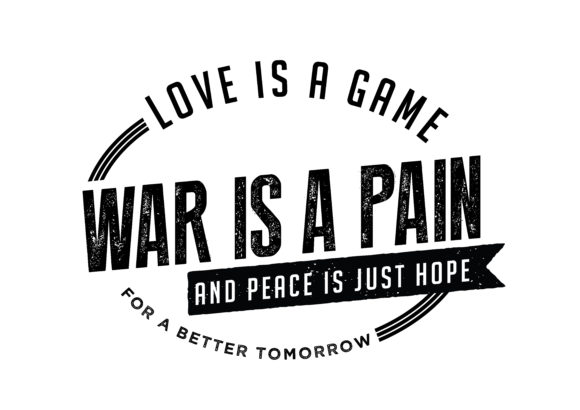
When people say, love is a game, they often mean it in a metaphorical sense—describing the emotional strategies, risks, and rewards that come with forming and maintaining relationships. But like any game, love involves rules, players, and outcomes that aren't always predictable. This article explores what it means when people describe love as a game, why this analogy resonates with many, and when it might be helpful—or harmful—to view relationships through this lens.
What Does It Mean to Say Love Is a Game?
Describing love is a game typically refers to the idea that relationships involve a certain level of strategy, emotional investment, and sometimes even competition. Just as in a game, participants may take risks, make moves, and anticipate reactions. Some view love as a game where the goal is to win the affection of another person, maintain emotional control, or balance power dynamics within the relationship.
However, this metaphor can be interpreted in many ways. For some, it's a lighthearted way to describe the playful nature of courtship. For others, it suggests manipulation, emotional distance, or a transactional view of intimacy. Understanding the context in which someone uses this phrase is key to interpreting its meaning.
Why People Are Interested in the 'Love as a Game' Concept
There are several reasons why people gravitate toward the idea that love is a game:
- Self-Protection: Some individuals use the game metaphor as a way to emotionally distance themselves from vulnerability. Viewing love as a game can make heartbreak feel less personal.
- Control and Strategy: The idea of playing to win can appeal to those who enjoy analyzing relationships, crafting approaches, and anticipating outcomes.
- Modern Dating Culture: In an age of dating apps and casual relationships, some feel that modern romance resembles a game more than a traditional bond.
Benefits and Tradeoffs of Viewing Love as a Game
Like any framework for understanding relationships, seeing love is a game comes with both advantages and drawbacks:
Benefits
- Emotional Detachment: It can help individuals avoid getting too emotionally invested too quickly, which may be useful after a breakup or during early dating stages.
- Motivation and Engagement: Viewing love as a game can make the process of dating more exciting and goal-oriented.
- Strategic Thinking: People may approach communication and conflict resolution with more intention and planning.
Tradeoffs
- Emotional Distance: Treating love as a game can lead to emotional disconnection, preventing deeper intimacy and trust from forming.
- Misaligned Expectations: If only one partner sees the relationship as a game, it can create imbalance, confusion, and resentment.
- Manipulation Risk: Framing love as a contest can justify gamesmanship, emotional manipulation, or a lack of authenticity.
When 'Love as a Game' Might Be a Strong Fit
For some people and situations, viewing love is a game can be a helpful mindset:
- Early Dating Stages: When getting to know someone, a strategic mindset can help manage expectations and avoid premature emotional investment.
- Rebuilding After Heartbreak: Those recovering from a difficult relationship may find emotional distance useful while re-entering the dating world.
- High-Conflict Relationships: In relationships with frequent disagreements, seeing interactions as a game may help reduce emotional volatility.
When Alternatives May Be Worth Considering
While the game metaphor works for some, it may not be suitable for everyone. Here are situations where alternative perspectives on love may be more appropriate:
- Long-Term Commitments: In marriages or long-term partnerships, viewing love as a game can undermine the emotional depth and mutual respect required for lasting success.
- Healing from Past Trauma: Those with emotional wounds may benefit more from vulnerability and openness than from strategic detachment.
- Seeking Deep Connection: If your goal is meaningful intimacy, seeing love as a game can hinder genuine emotional bonding.
Practical Insights for Evaluating the 'Love as a Game' Mindset
Deciding whether to adopt the love is a game philosophy requires thoughtful consideration. Here are some practical questions to guide your decision:
- What are your relationship goals? If you're seeking a casual connection, a game-like approach might align with your intentions. If you're looking for something serious, it may not.
- How do you handle emotional risk? If you struggle with vulnerability, viewing love as a game may offer temporary protection—but could also prevent deeper growth.
- Are both partners on the same page? It's important that both people in a relationship share similar expectations and emotional approaches.
Does 'Love as a Game' Align With Your Needs?
Ultimately, whether the love is a game metaphor works for you depends on your personal values, emotional maturity, and relationship goals. It can be a useful tool for navigating early-stage dating or recovering from a breakup. However, for long-term, emotionally fulfilling relationships, a more open, collaborative, and vulnerable approach is usually more effective.
Consider how you define success in love. Is it about winning affection, maintaining control, or achieving emotional closeness? Your answer will help determine whether viewing love as a game is a helpful framework or a limiting belief.
Conclusion: Choosing the Right Framework for Your Relationships
The phrase love is a game offers a compelling metaphor that can help some people navigate the complexities of modern relationships. However, it's not a one-size-fits-all approach. While it may provide emotional distance and strategic insight in certain contexts, it can also hinder intimacy and authenticity in others.
As you evaluate your own beliefs about love, consider the impact of the language you use and the mindset you adopt. Whether you're exploring new relationships or deepening an existing one, aligning your perspective with your long-term goals will help you build more meaningful and satisfying connections.