I Can't, My Kids Have Practice, a Game: Balancing Family Life in a Busy World
In today's fast-paced society, the phrase I Can't, My Kids Have Practice, a Game has become more than just a casual excuse—it's a reflection of modern family dynamics, time management challenges, and shifting priorities. Whether you're a professional, entrepreneur, marketer, or creative, the struggle to balance personal responsibilities with work demands is real. This article explores how this common refrain intersects with broader trends in work-life balance, digital productivity, and consumer behavior.
The Rise of the "I Can't" Culture
More than a humorous nod to packed schedules, the phrase I Can't, My Kids Have Practice, a Game highlights a cultural shift toward prioritizing family and youth development. In a world where burnout is increasingly recognized and remote work has blurred the lines between home and office, professionals are more vocal about their personal commitments.
This trend isn't just anecdotal. According to recent studies, working parents spend more time on childcare and extracurricular activities than ever before. As a result, scheduling conflicts and time constraints have become a regular part of business communication, especially among freelancers, entrepreneurs, and remote teams.
Why It Matters in Business and Creativity
For marketers and business leaders, understanding this shift is crucial. Consumers and clients alike are more empathetic to personal responsibilities, and brands that acknowledge this reality often build stronger connections. Similarly, creative professionals and freelancers must navigate these dynamics when setting expectations with clients or collaborating on projects.
Consider how this affects workflow planning. Teams are increasingly adopting asynchronous communication and flexible deadlines to accommodate diverse personal schedules. The phrase I Can't, My Kids Have Practice, a Game isn't just a barrier—it's a signal that the traditional 9-to-5 model is evolving.
Technology and Time Management: A New Era
One of the most significant enablers of this shift is technology. Tools like project management software, cloud collaboration platforms, and mobile workstations have made it easier to work around family commitments. Whether you're editing a design during halftime or reviewing a marketing strategy between practices, digital flexibility has redefined productivity.
Moreover, AI-powered scheduling assistants and smart calendar integrations are helping professionals manage complex routines. These tools can automatically reschedule meetings, send reminders, and even suggest optimal times for collaboration based on availability and priorities.
Design and Branding: Visualizing the Modern Parent
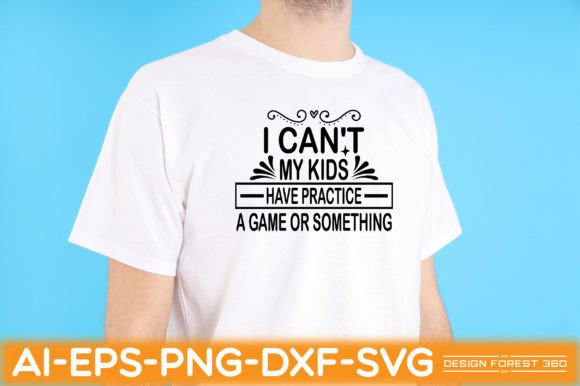
As this lifestyle becomes more common, visual content and branding strategies must reflect these realities. That's where the INCLUDED zipped folder containing 1 AI. 1 SVG. 1 DXF. 1 EPS. 1 PNG with transparent background at 300 dpi comes into play. These high-quality, scalable graphics can be used across digital and print media to represent the modern working parent in a relatable, professional manner.
- AI file: Ideal for detailed vector editing in Adobe Illustrator.
- SVG file: Perfect for responsive web design and logos.
- DXF file: Useful for CAD applications and laser cutting projects.
- EPS file: Great for print production and legacy design software.
- PNG file (transparent background, 300 dpi): Ready for overlay on websites, presentations, and digital marketing materials.
These assets can be used to create branded content that resonates with audiences who are juggling family and work. Whether you're designing a campaign for a productivity app, a co-working space, or a family-friendly service, these visuals help communicate authenticity and relevance.
Practical Applications Across Industries
Let’s explore how different professionals can integrate the concept of I Can't, My Kids Have Practice, a Game into their work:
- Marketers: Create campaigns that acknowledge the realities of working parents. Use visuals from the included design files to illustrate flexibility, balance, and support.
- Entrepreneurs: Build products or services that cater to time-constrained professionals—think on-demand childcare, flexible coworking hours, or mobile-friendly platforms.
- Freelancers: Set clear boundaries with clients by using scheduling tools and visual cues that reflect your availability and priorities.
- Content Creators: Develop relatable storytelling that resonates with your audience’s daily challenges and aspirations.
- Business Coaches: Use this trend as a case study in adapting to changing workforce expectations and building inclusive company cultures.
Connecting to Larger Trends
This shift isn't isolated. It aligns with several larger developments:
- Remote Work: The rise of remote and hybrid work models has made it easier to integrate personal responsibilities into professional life.
- Work-Life Integration: Rather than strict separation, many professionals now aim for integration, where work and personal life coexist fluidly.
- Consumer Empathy: Brands that show understanding of their customers' lifestyles often gain stronger loyalty and trust.
- Digital Minimalism: As people seek to reduce distractions, they're also redefining how they allocate time and attention.
These trends collectively point to a future where flexibility, empathy, and efficiency are not just nice-to-haves but essential components of success.
Conclusion: Embracing the New Normal
The phrase I Can't, My Kids Have Practice, a Game may seem trivial at first glance, but it's a powerful indicator of how our values and expectations are shifting. As professionals, creators, and entrepreneurs, recognizing and adapting to these changes isn't just smart—it's necessary.
By leveraging tools like the INCLUDED zipped folder containing 1 AI. 1 SVG. 1 DXF. 1 EPS. 1 PNG with transparent background at 300 dpi, we can visually and practically align our work with the realities of modern life. Whether you're crafting a marketing campaign, designing a product, or managing a team, embracing this new normal will help you connect more deeply with your audience—and thrive in a world where family and work are increasingly intertwined.