Children Play Video Game Vector: A Timeless Asset for Modern Design Needs
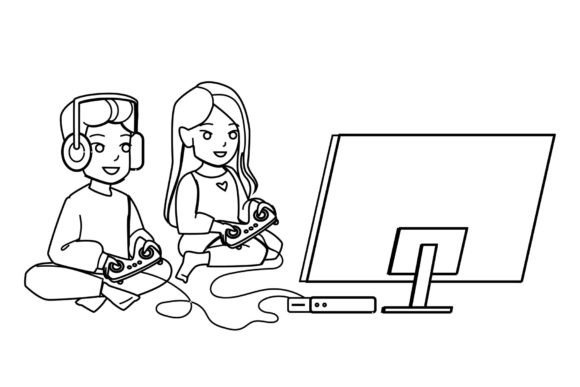
In today's fast-paced digital landscape, visual content remains a cornerstone of effective communication. The Children Play Video Game Vector offers a versatile and scalable solution for designers, marketers, and educators looking to capture the essence of modern childhood, family interaction, and digital engagement. This vector illustration, depicting a kid boy or girl playing a video game at home, resonates with audiences across multiple industries—from e-learning platforms to family-oriented brands.
Understanding the Children Play Video Game Vector
The Children Play Video Game Vector is a scalable graphic asset that illustrates children engaged in gameplay using a console. It typically features a boy or girl seated at home, often with a controller in hand, immersed in a digital world. These illustrations are delivered in JPG and EPS formats, making them suitable for both print and digital applications. The black line pencil drawing style adds a clean, artistic touch that can be easily customized to match brand aesthetics or editorial tones.
Such vectors are not just artistic renderings—they serve practical purposes. Designers use them to convey themes of entertainment, family bonding, and the evolving role of technology in everyday life. Whether it's for an infographic on screen time or a promotional banner for a gaming convention, this visual asset helps communicate ideas efficiently and effectively.
Why This Vector Illustration Fits Modern Design Trends
As digital design continues to evolve, the demand for clean, adaptable, and culturally relevant visuals has surged. The children play video game vector aligns perfectly with current trends in minimalism, responsive design, and visual storytelling. Its line-drawing style allows for seamless integration into diverse layouts without overpowering other design elements.
- Scalability: Vectors maintain quality at any size, making them ideal for everything from mobile banners to large-format posters.
- Customization: The black line style invites easy colorization and adaptation to different themes or branding guidelines.
- Cultural relevance: As gaming becomes more mainstream and socially accepted, visuals that reflect this reality are increasingly valuable.
Moreover, the rise of remote learning and digital entertainment during the pandemic has made home-based scenes—like a child playing a console with family nearby—more resonant than ever. These visuals tap into a shared cultural moment, making them especially effective for campaigns targeting families or educators.
How Usage Has Evolved Over Time
Not long ago, video games were seen as niche entertainment. Today, they are a global phenomenon influencing everything from education to social interaction. As this shift has occurred, visual content has needed to keep pace. The evolution of the children play video game vector reflects this change. Early versions were often simplistic and cartoonish, but modern iterations offer more nuance—showing diverse characters, realistic settings, and a balance between digital immersion and family presence.
Designers are now more likely to seek visuals that portray children in a positive light while engaging with technology. This shift aligns with broader societal changes: parents are more open to digital play as an educational tool, and educators are incorporating game-based learning into curricula. As a result, vector illustrations depicting children with consoles have moved from being background elements to central visual narratives.
Practical Applications Across Industries
The Children Play Video Game Vector isn't just a decorative image—it’s a functional tool with real-world applications. Here are a few ways professionals are putting it to use:
- Educational Content: E-learning platforms use these vectors to illustrate gamified learning modules, especially for younger audiences.
- Marketing Campaigns: Brands promoting family-friendly products or services—like internet plans or home entertainment systems—leverage these visuals to connect with parents and kids alike.
- Editorial Illustrations: Publishers covering topics like screen time, digital literacy, or child development often use these images to add visual context to articles.
- UI/UX Design: App developers designing for children or family audiences incorporate these vectors to create relatable interfaces.
For example, a digital parenting blog might use a kid boy girl illustration to accompany an article on balancing gaming and homework. A tech company launching a new home console could feature a stylized player children play video game character in their promotional materials to evoke familiarity and comfort.
Choosing the Right Format: JPG vs. EPS
When working with the children play video game vector, understanding file formats is key. JPG files are ideal for quick web use and photo-realistic previews, while EPS files offer full scalability and editability for print or high-resolution projects. Designers should choose based on their end use:
- JPG: Best for websites, social media, and presentations where fast loading and compatibility are essential.
- EPS: Preferred for print materials, logos, or any project requiring resizing without loss of quality.
Many designers start with the JPG for initial mockups and then switch to EPS for final production. This workflow ensures both speed and precision, especially when working under tight deadlines or with complex layouts.
Recommendations for Effective Use
To get the most out of the Children Play Video Game Vector, consider the following best practices:
- Match the tone: If your project is playful, choose a vector with a smiling child. For more serious contexts, opt for a focused or contemplative pose.
- Layer thoughtfully: Since these vectors are line drawings, they work well as overlays or background elements when subtly colored or shaded.
- Contextualize: Pair the image with relevant icons or text to reinforce the message—like adding a schoolbook or family members to emphasize learning or togetherness.
Also, consider how the vector fits into your broader visual identity. If your brand uses muted tones, a grayscale version of the people black line pencil drawing vector illustration might work best. Alternatively, if your design calls for vibrant visuals, colorizing the characters can add a lively touch without losing clarity.
Looking Ahead: The Future of Visual Storytelling
As technology continues to shape how we consume and create content, vector illustrations like the Children Play Video Game Vector will remain essential tools. They offer a bridge between artistic expression and practical communication, adapting to new platforms and trends with ease. Whether it's for a mobile app interface or a printed infographic, these visuals help tell stories that resonate across generations.
Looking forward, expect to see more diversity in character design, more integration with interactive media, and greater emphasis on inclusivity. As the line between digital and real-world play continues to blur, visuals that reflect this hybrid reality will become even more valuable to creators and communicators alike.